
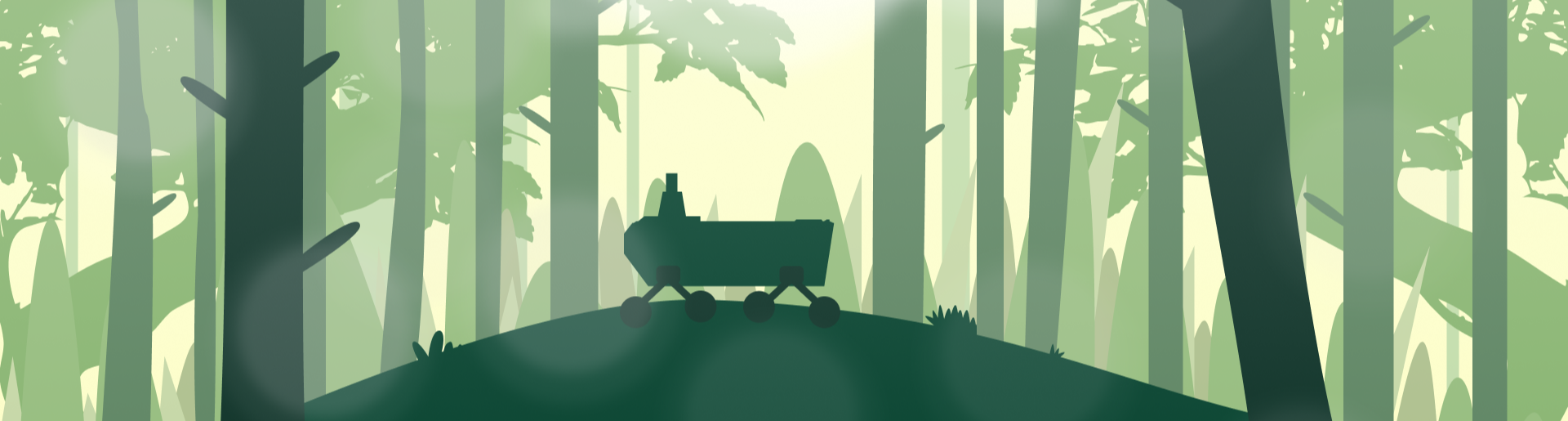
A rover with the ability to plant, water, and take care of trees could be a valuable tool for reforestation efforts, particularly in areas that are difficult or dangerous for humans to access. Such a rover could be designed to navigate challenging terrain, plant tree saplings at specific locations, water them using a built-in irrigation system and monitor their growth and health using sensors and cameras.
One potential benefit of such a rover is that it could operate autonomously, without the need for human intervention. This could enable large-scale reforestation efforts to be carried out more efficiently and at a lower cost than traditional methods, which often involve manual labor.
However, there are also potential challenges to consider. For example, the rover would need to be able to accurately identify suitable planting locations and avoid areas with potential hazards like steep slopes or unstable ground. It would also need to be able to operate in a wide range of weather conditions and terrain types.
The cost of developing and deploying a rover with the ability to plant, water, and take care of trees would depend on several factors, such as the complexity of the design, the materials used, the size and capabilities of the rover, and the scale of the project.
Based on similar projects and technologies, it's likely that the development cost of such a rover could range from hundreds of thousands to several million dollars. This would include the cost of research and development, design and engineering, prototype testing, and production of the final product.
The operating costs of the rover would also depend on the scale of the project and the operating conditions. For example, it would need to be powered by a reliable energy source, which could include solar panels, batteries, or a combination of both. The cost of maintenance, repair, and replacement of components would also need to be considered.
Overall, the cost of developing and deploying a rover with the ability to plant, water, and take care of trees would likely be significant, but could also provide long-term benefits in terms of reforestation, environmental restoration, and carbon sequestration. while there are potential challenges, a rover with the ability to plant, water, and take care of trees could be a promising tool for reforestation efforts, particularly in areas that are difficult for humans to access.
Ligolas Neo Malicdem | April 8, 2023